

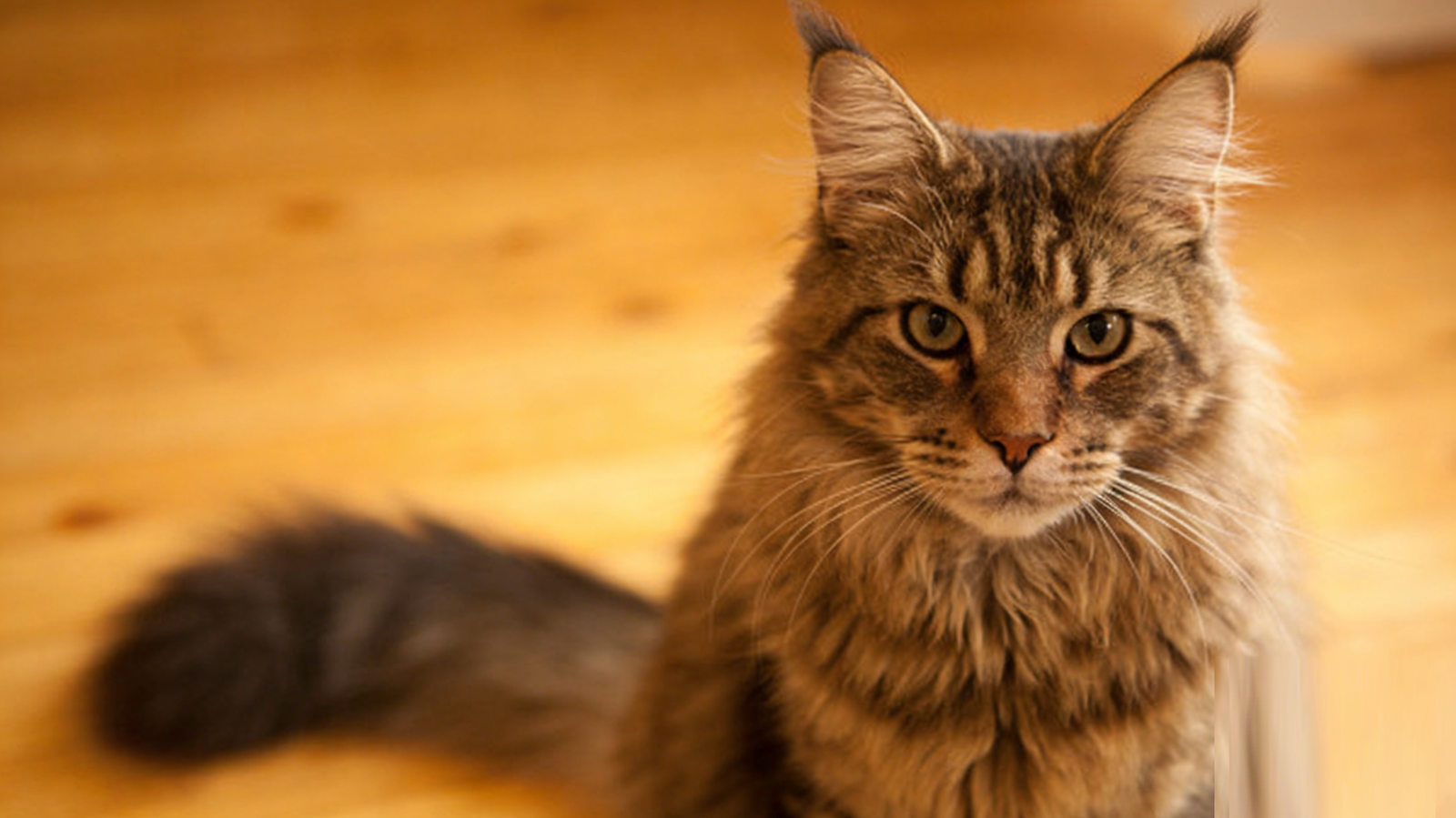
The Maine Coon breed stands as one of the most majestic and beloved cat breeds worldwide. Renowned for their impressive size, tufted ears, and sociable personalities, these gentle giants have captured the hearts of cat enthusiasts for generations. This comprehensive guide explores the breed standards that define authentic Maine Coons, traces their fascinating history from working cats to show-stopping champions, and provides actionable care advice for current and prospective owners. Whether you’re drawn to the striking cream tabby Maine Coon or the rare pure black Maine Coon, understanding this breed’s unique characteristics is essential for providing optimal care and appreciating their remarkable qualities.
Breed Standards and Physical Characteristics
Official breed standards established by organizations like The International Cat Association (TICA) and the Cat Fanciers’ Association (CFA) provide precise criteria for evaluating Maine Coon breed quality. These standards ensure preservation of the breed’s distinctive traits.
Size and Structure
Maine Coons are the largest domesticated cat breed, with males typically weighing 13-18 pounds and females 8-12 pounds. Some giant Maine Coon pedigree cats exceed 20 pounds without being overweight. Their bodies are muscular and rectangular, supported by substantial legs with large, tufted paws designed for walking on snow.
Coat and Color Variations
The shaggy, water-resistant coat features a longer ruff around the neck, shorter hair on the shoulders, and longer fur on the stomach and britches (hind legs). Accepted colors include:
- Cream tabby Maine Coon: Warm cream base with distinct tabby patterns
- Pure black Maine Coon: Solid ebony without rusty tints or ghost patterns
- Blue grey Maine Coon: Dilute black gene producing slate blue coloring
- Black tortie white Maine Coon: Patched black/red/cream with white markings
- Blue tortie white Maine Coon: Diluted tortoiseshell pattern with white
| Feature | Standard Requirement |
|---|---|
| Head Shape | Modified wedge with high cheekbones |
| Eyes | Large, slightly oblique; all colors accepted except blue in non-white cats |
| Ear Characteristics | Large, tufted (lynx tips), wide at base |
| Tail | Long, flowing, should reach at least the shoulder blades |
Historical Origins and Development
The Maine Coon breed developed naturally in the Northeastern United States, where harsh winters shaped their distinctive physical traits. While romantic myths suggest origins from raccoon crossings or Marie Antoinette’s cats, genetic studies reveal they descended from European cats brought by early settlers.
European Roots
Modern European Maine Coon breeders maintain bloodlines tracing back to Scandinavian and British working cats. The breed likely descended from longhaired cats imported to America by European sailors in the 1700s-1800s. These cats interbred with local farm cats, developing adaptations like their water-resistant coats and large paws.
Show History and Recognition
Maine Coons appeared in early American cat shows in the late 1800s but nearly disappeared with the rise of imported Persian cats. Dedicated breeders in the 1950s revived the breed, achieving provisional CFA recognition in 1975 and championship status in 1976. Today they consistently rank among the top five most popular cat breeds worldwide.
Comprehensive Care Guide
Caring for these magnificent cats requires understanding their specific needs. Proper care ensures your Maine Coon breed companion thrives throughout their 12-15 year lifespan.
Nutritional Requirements
Due to their large size and active nature, Maine Coons need high-quality protein-rich diets. Look for foods specifically formulated for large breeds containing:
- Animal-based proteins (chicken, turkey, fish)
- Moderate fat content (18-24%)
- Glucosamine and chondroitin for joint health
- Omega fatty acids for coat maintenance
Avoid overfeeding to prevent obesity, which exacerbates joint issues common in giant Maine Coon pedigree cats.
Grooming Techniques
While their coat doesn’t mat as easily as some longhaired breeds, regular grooming remains essential:
- Brush 2-3 times weekly with a stainless steel comb and slicker brush
- Increase frequency during seasonal shedding periods
- Check ear tufts for debris and trim nails regularly
- Bathe occasionally using cat-specific shampoos
The dense coat of a blue grey Maine Coon or black tortie white Maine Coon requires particular attention to prevent skin issues.
“Maine Coons combine dog-like loyalty with feline independence. Their intelligence shines through in problem-solving abilities and adaptability to various living situations.” – Dr. Felicity Thompson, Feline Behavior Specialist
Health Considerations
Responsible reputable Maine Coon breeders screen for genetic conditions including:
- Hypertrophic Cardiomyopathy (HCM)
- Hip Dysplasia
- Spinal Muscular Atrophy (SMA)
- Polycystic Kidney Disease (PKD)
Regular veterinary checkups should include annual echocardiograms after age 3 and monitoring for obesity-related issues. Reputable black Maine Coon breeder operations provide health guarantees against genetic disorders.
Finding Reputable Maine Coon Breeders
Selecting an ethical breeder ensures you acquire a healthy kitten true to Maine Coon breed standards. Beware of “kitten mills” and backyard breeders prioritizing profit over health.
Evaluating Breeder Credentials
Responsible reputable Maine Coon breeders demonstrate:
- Registration with TICA or CFA
- Genetic health testing documentation
- Transparent rearing practices (home-raised kittens)
- Comprehensive health guarantees
- Lifetime breeder support
Specialized breeders like those focusing on blue tortie white Maine Coon varieties should provide pedigrees tracing lineage to foundation cats.
European Breeder Options
For international buyers, European Maine Coon breeders offer distinct bloodlines. Reputable European breeders:
- Comply with Fédération Internationale Féline (FIFe) standards
- Provide EU pet passports and health certificates
- Offer assistance with import documentation
- Specialize in regional variants like Scandinavian-type Maine Coons
Frequently Asked Questions
With proper care, Maine Coons live 12-15 years on average. Some reach 18+ years, particularly those from lines with thorough health testing by reputable Maine Coon breeders.
Yes, their gentle disposition makes them excellent family companions. They typically coexist well with dogs and other cats when properly introduced.
Kittens from reputable Maine Coon breeders typically range from $1,000-$2,500 depending on lineage, location, and quality. Show-quality kittens from specialized breeders (like those producing pure black Maine Coon or giant Maine Coon pedigree cats) may command higher prices.
Given their size, Maine Coons need extra-large litter boxes. Many owners use plastic storage containers (50+ quarts) or commercial jumbo litter boxes to accommodate their length.
Their intelligence makes them excellent candidates for harness training. Start training early using positive reinforcement techniques.
Conclusion
The magnificent Maine Coon breed offers a unique combination of physical grandeur and gentle temperament. From their working-cat origins to their current status as beloved companions, understanding breed standards, history, and specialized care requirements ensures these cats thrive. Whether you’re drawn to the stunning cream tabby Maine Coon, the rare pure black Maine Coon, or the distinctive blue tortie white Maine Coon, responsible ownership begins with sourcing from reputable Maine Coon breeders who prioritize health and temperament. By providing proper nutrition, regular grooming, appropriate veterinary care, and ample companionship, you’ll enjoy the remarkable experience of living with one of nature’s most impressive feline creations.
