

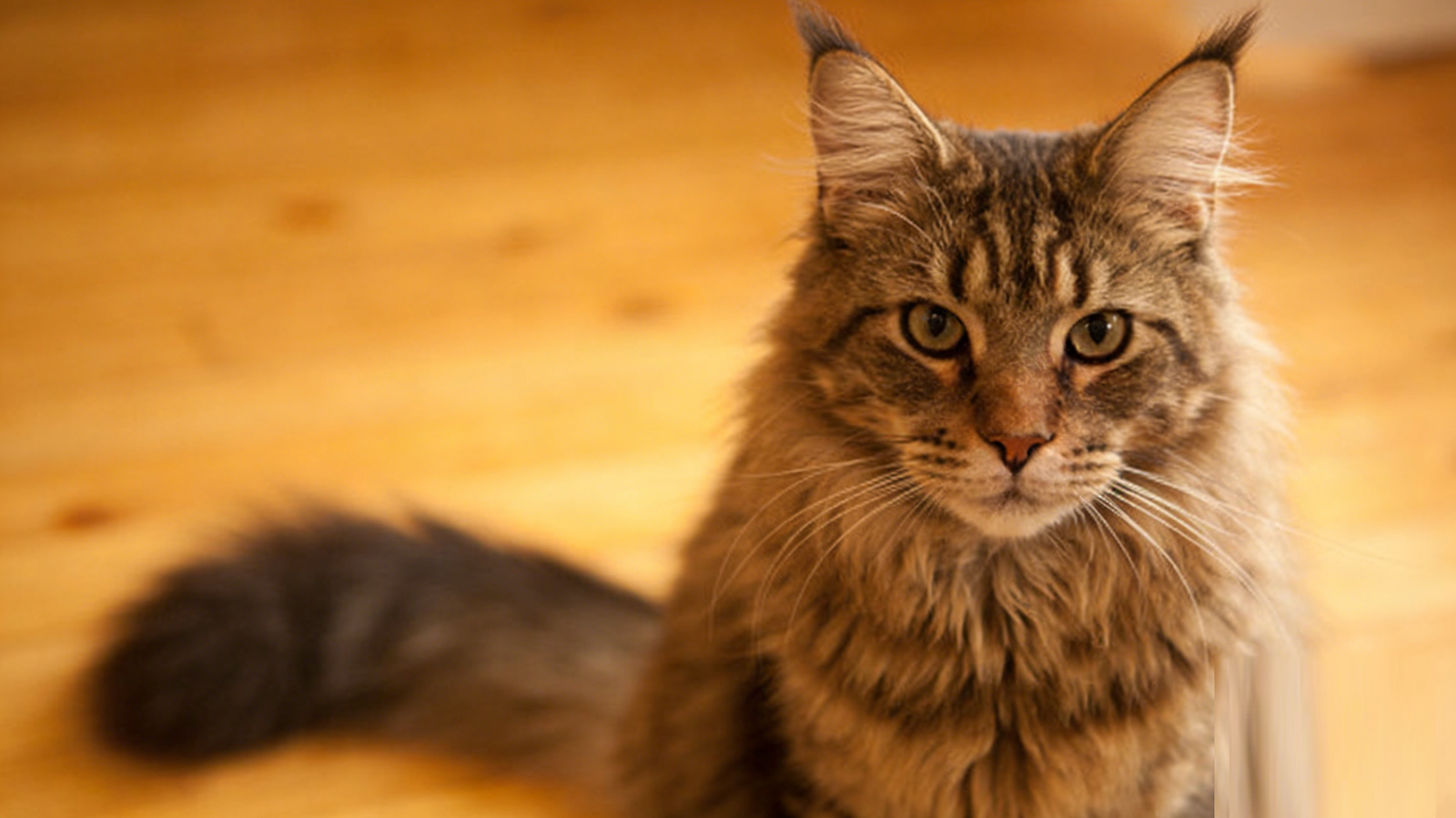
Quick answer: Yes, Maine Coon cats can be excellent for first-time owners, but they are not a low-effort breed. Their gentle personality, social nature, and intelligence make them wonderful family cats, while their large size, heavy coat, food needs, and health screening requirements mean new owners should prepare carefully before bringing one home.
If you are considering your first Maine Coon, this guide will help you decide whether the breed fits your home, schedule, budget, and expectations.
Are Maine Coons Good for Beginners?
Maine Coons are often described as friendly, loyal, playful, and people-oriented. Many owners love them because they tend to be social without being overly demanding. They often follow their people around the house, enjoy interactive play, and adapt well to family routines.
For a first-time cat owner, the biggest advantage is temperament. A well-socialized Maine Coon is usually patient and affectionate. The challenge is care level: this breed is large, long-haired, and slow to mature, so owners need to plan for grooming, space, nutrition, enrichment, and routine veterinary care.
15 Things First-Time Owners Should Know
1. Maine Coons Are Large Cats
Maine Coons are one of the largest domestic cat breeds. Their size affects almost everything: litter box size, cat tree stability, carrier strength, food portions, and how much room they need to move comfortably.
2. They Mature Slowly
Many Maine Coons continue filling out for several years. A kitten may grow quickly in the first year, but full body condition and coat development can take longer than many smaller breeds.
3. They Need Regular Grooming
The coat is one of the breed’s most beautiful features, but it needs maintenance. Plan to brush several times per week, especially around the belly, chest, tail, and behind the ears where tangles can form.
4. They Are Social, Not Solitary Decorations
Maine Coons usually enjoy being part of household life. They may not always want to sit on your lap, but many want to be near you. If you are away for long hours every day, consider enrichment, play sessions, or a compatible second pet.
5. They Need Big, Stable Gear
A standard small cat tree or cramped litter box may not work well. Choose sturdy cat furniture, wide scratching posts, and an oversized litter box that gives your cat enough room to turn around comfortably.
6. They Are Playful and Intelligent
Interactive toys, puzzle feeders, wand play, and training games can help prevent boredom. A bored Maine Coon may become noisy, restless, or overly focused on food.
7. They May Be Good With Children and Dogs
Many Maine Coons do well in family homes when introductions are slow and respectful. Children should be taught not to pull the tail, chase the cat, or interrupt eating and sleeping.
8. Food Costs Can Be Higher
Because Maine Coons are large and active, food costs may be higher than with a smaller cat. Choose a complete and balanced diet appropriate for the cat’s life stage, and ask your veterinarian about healthy body condition.
9. Weight Management Matters
Big does not mean overweight. A Maine Coon should feel strong and muscular, not round and heavy. Tracking weight, body condition, and activity helps protect joints and long-term health.
10. Dental Care Should Start Early
First-time owners often forget dental care. Introduce tooth brushing, dental treats, or vet-recommended dental routines early so your cat accepts handling.
11. Health Screening Is Important
Maine Coons are associated with certain inherited health concerns, including hypertrophic cardiomyopathy (HCM). Responsible breeders may screen breeding cats, and owners should maintain regular veterinary checkups.
12. They Need Scratching Options
Large cats need strong scratching posts. Choose tall posts that allow a full stretch, plus horizontal scratchers if your cat prefers them.
13. Litter Tracking Can Be More Noticeable
Large paws and long toe fur can carry litter outside the box. A large litter mat, low-dust litter, and regular paw grooming can help keep floors cleaner.
14. They Are Not Always Quiet
Many Maine Coons use chirps, trills, and soft vocalizations. They are not usually known as extremely loud cats, but they can be very communicative.
15. The Best Maine Coon Home Is Prepared, Not Perfect
You do not need to be an expert before adopting one. You do need realistic expectations, a grooming routine, appropriate equipment, and the willingness to learn as your cat grows.
First-Time Owner Checklist
- Oversized litter box with enough room for turning
- Large litter mat to reduce tracking
- Stable cat tree rated for large cats
- Wide scratching post and horizontal scratcher
- Metal comb and slicker brush for coat care
- Sturdy carrier sized for adult weight
- Interactive toys and puzzle feeders
- Veterinary plan for wellness checks, vaccines, dental care, and heart health discussions
Who Should Choose a Maine Coon?
A Maine Coon may be a great first cat if you want a social, interactive companion and you are ready for grooming, space, and higher equipment needs. This breed is especially appealing to people who enjoy daily interaction and want a cat with a big presence in the home.
Who Might Prefer a Different Breed?
You may want to consider another breed if you need a very low-maintenance coat, have limited space for large cat furniture, or want the smallest possible pet-care budget. Maine Coons are rewarding, but they are not the cheapest or lowest-maintenance cats to keep well.
Common Mistakes New Maine Coon Owners Make
- Buying a litter box that is too small
- Waiting until mats appear before starting grooming
- Confusing large size with healthy weight
- Skipping breeder health questions
- Choosing lightweight cat trees that wobble
- Not preparing for litter tracking around the box
FAQ
Are Maine Coons hard to take care of?
They are not usually difficult in temperament, but they do require more grooming, space, and equipment planning than many smaller short-haired cats.
Can Maine Coons be indoor cats?
Yes. Many Maine Coons live happily indoors when they have climbing spaces, scratching options, window views, toys, and regular playtime.
Do Maine Coons shed a lot?
They can shed noticeably, especially during seasonal coat changes. Regular brushing helps reduce loose hair and prevent tangles.
Are Maine Coons good with kids?
Many are good with respectful children, but every cat is an individual. Slow introductions and gentle handling matter.
What should I ask a Maine Coon breeder?
Ask about health screening, kitten socialization, vaccination history, parent temperament, contract terms, and whether the breeder can explain common breed health concerns such as HCM.
Final Thoughts
Maine Coons can be wonderful first cats for owners who want a friendly, intelligent, family-oriented companion. The key is preparation. If you plan for grooming, space, enrichment, and veterinary care from the beginning, a Maine Coon can be one of the most rewarding cats to welcome into your home.
This article is for general education only and does not replace veterinary advice. Always consult your veterinarian about your cat’s diet, weight, heart health, and medical care.
